

A Good Place to Start with the Youngest: Hand Sewing
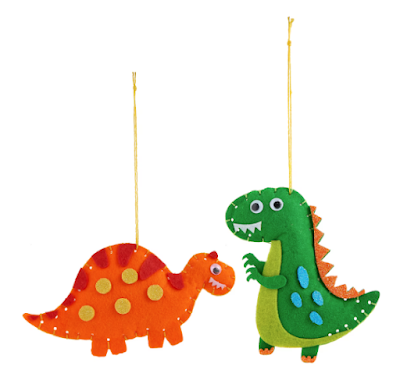
As a parent of a 5-year-old, my son has really enjoyed sewing little felt stuffed toys that have pre-cut holes around the edges of the shapes. Michaels Craft Store carries a nice selection of different kits for various interests. What I like about these is that it is an easy way to start learning the hand sewing motion. The kits also come with sticker embellishments to finish off the project.
Once they get the idea of hand sewing, let them create their own felt projects. The blog, Meraki Lane has a great list of 16 Felt Sewing Projects to help you get started. (Just scroll down a little bit till you see the heading for 16 Felt Sewing Projects)
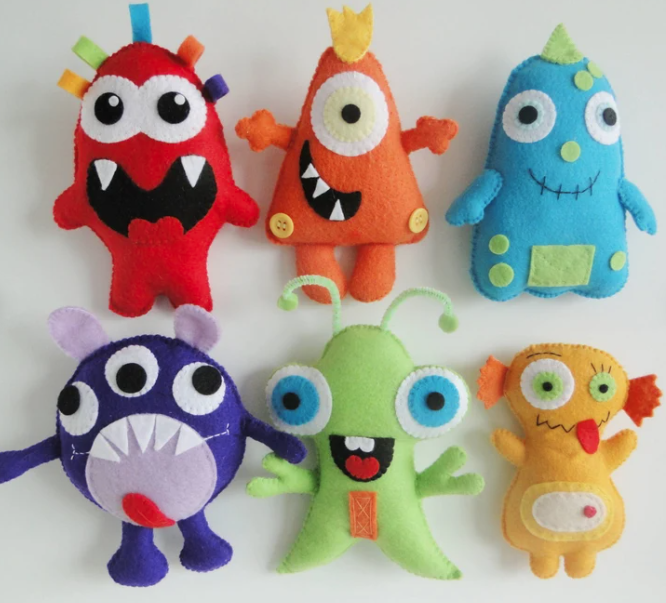
Kids love silly things. Why not make some silly felt monsters? I searched “kids felt monster sewing project” on Pinterest and came up with LOTS of ideas. From free tutorials to PDF patterns, there is really something for every skill level. If you’re looking for templates, I really like the Lovely Monster Felt Pattern from walpatterns on Etsy.
Machine Sewing:
Let’s talk about some things that kids can do on a sewing machine. Ages 6+ are usually ready to starting sewing on a machine, but of course you know your child best, so depending on their skill level, you decide what age that begins! I used my first sewing machine at age 7 or 8. I sewed a pair of shorts, which I still own to this day! (Of course they don't fit, but it’s one of those sentimental items that I cannot part with!) That might be a little ambitious, but not impossible!
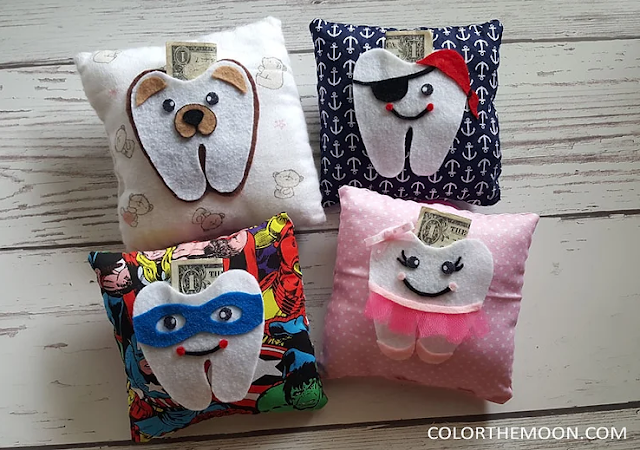
I would suggest starting with a pillow. You can do a basic square pillow, or I found this fun Tooth Fairy Pillow from the blog, Color the Moon. You could take it further and hand sew the felt tooth onto the square of fabric!
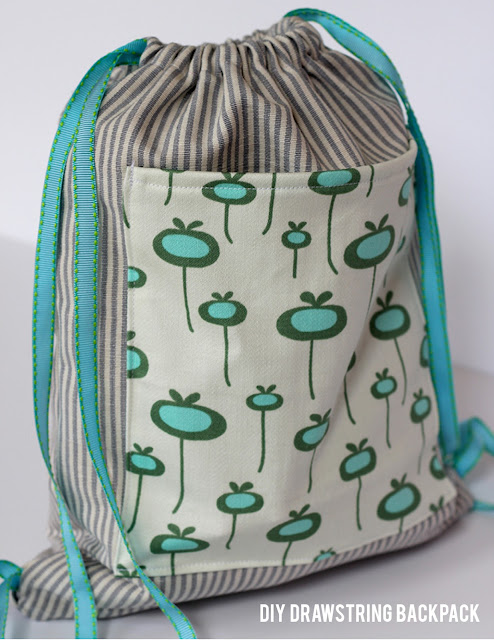
Drawstring bags are a great project for a wide range of age groups. The blog Alice & Lois has a great tutorial on how to sew a drawstring backpack. If you’re looking for some fabric for the bag, check out our cotton fabric category.
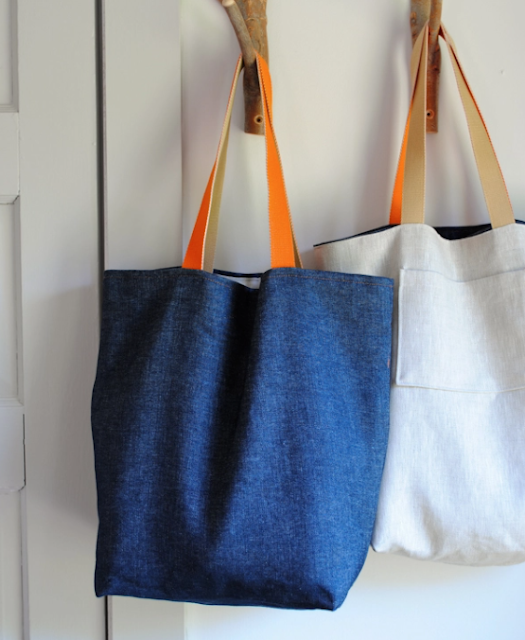
Tote bags are another great project. Use it for the beach or to carry your library books. Purl Soho has a 40-minute Tote bag tutorial for a simple, lined bag.
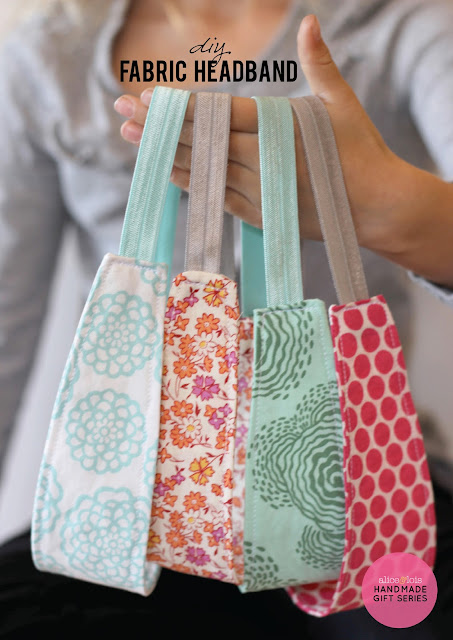
Headbands and scrunchies are popular accessories and easy to make! The blog, Alice & Lois, has a tutorial for a fabric headband. Use cotton fabric and fold over elastic to make the headband. Scrunchies are another easy-to-make accessory. We have a video tutorial on how to make a fabric scrunchie. Both accessories can be coordinated with outfits (handmade or not) and they will be excited to show them off to their friends!
The Apple Green Cottage blog has a unique sewing project that will keep hands busy even after it is sewn. Have the kids make a Fabric Marble Maze! It’s like a fidget toy that will keep their hands busy. I think this project would be best for a child that has already worked with a sewing machine, but it’s also great to practice pivoting on the machine.

Don’t have the patience to teach a child to sew? Some communities have awesome kids sewing classes! Butcher’s Sew Shop in Philadelphia, offers year-round kids sewing classes for ages 5-15. (They also offer adult sewing classes, too!) I came across them on Instagram and am loving the creations the kids make! Check out your local art centers, community groups and fabric stores to see if they are offering any kids sewing classes.
A Full 'Learn to Sew' System
And if you're looking for a sewing series that takes a child through the steps of sewing, try the Winky Cherry System of Teaching Sewing to Children from Palmer Pletsch. You will start with hand sewing and hand embroidery, then make a doll using both of those skills. From there the child will learn how to use a sewing machine and then make a patchwork pillow and quilt.

Need more kids sewing project inspiration? We have a Pinterest board for that! Check out our Pinterest board for more kids sewing project ideas whether they are the ones sewing or if you are sewing for them.

Whether you’re teaching a 5-year-old how to hand sew or a 12-year-old how to use a sewing machine, you know the skill level of the child best. Choose the project you feel appropriate for their skills and interest. Encourage them along the way and be patient. They are learning a new skill and having your encouragement is the most important even if it doesn't turn out exactly how you think it should!
I hope you found this round-up helpful as you try to make it to the end of summer AND I hope it inspires kids to learn to sew!
Comments
Post a Comment
Thanks for leaving a comment! All comments are reviewed before posting to help us eliminate spam. Your comment will be posted within 24 hours.